A recent commercial featuring Colin Kaepernick just won Nike its first commercial award in almost 20 years.
At the Creative Arts Emmy Awards on Sunday, September, 15, Nike took home the Emmy award for “outstanding commercial”. The last time Nike won this award was in 2002 for their Winter Olympics campaign, “Move”. The “Dream Crazy” campaign, which first aired last September, promoted to viewers the idea of dreaming big, and dreaming crazy. While the message behind the ad was powerful, it sparked controversy surrounding former NFL quarterback Colin Kaepernick as the face of the campaign.
Kaepernick is well known for his nationally controversial action of kneeling during the national anthem at a 2016 NFL preseason game. Kaepernick was protesting racial injustice in the United States by not standing for the national anthem, which praises a flag and a country that has oppressed minorities for centuries. Throughout the 2016 NFL season, Kaepernick continued to kneel for the national anthem in the beginning of each game, which created a national divide. Many stood with Kaepernick and his protest, while many were infuriated, saying the action was disrespecting our country and our soldiers. The situation led to Kaepernicks leave by the end of the 2016 season.
Two years after Kaepernick’s protest, Nike’s “Dream Crazy” campaign still faced initial backlash. When the ad first aired, Nike experienced a 3.2% drop in shares, while #NikeBoycott was trending on Twitter. This is not last long, however. Within a few days, people began to shine light on the importance of Nike being “brave enough to change the game”.
Despite controversy and backlash, Nike brings home an Emmy Award for “outstanding commercial”, one year after the “Dream Crazy” release.
Amongst the rising competition, Netflix has formulated a plan to capture the attention of well-known filmmakers. In order to reach viewing goals, Netflix has devised a plan that would benefit filmmakers if their movie reached viewing goals or was given a major award. Any films that meet the expected viewing target or receive an award are eligible for a bonus payment on behalf of Netflix. According to The Guardian, “Traditionally, Hollywood studios have been able to offer “back end” payments – ie percentages of box office and profits – from a film’s cinema release as a part of a deal to film-makers. But with limited time in cinemas, Netflix is unable to accrue this level of income, so hitherto they have offered film-makers payment upfront as well as covering their production costs.”
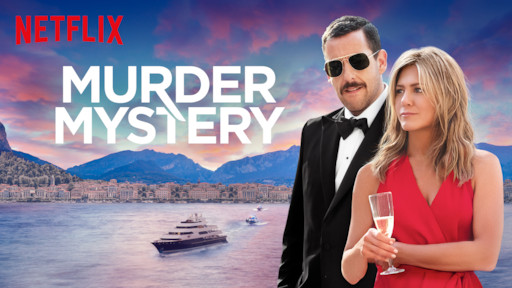
The launch of this plan could be good news for Netflix’s longevity if filmmakers decide to collaborate with the company. Movies on Netflix such as “Murder Mystery” and “Bird Box” received tremendous viewing ratings (Murder Myster with 30.9 million streams in three days) likely giving Netflix creators this incentive idea. However, what might incentives like this do to movie theater sales or other streaming services? Should offers like these be off-limits to large streaming companies?
Yesterday was a big day for video gamers as Sony held their State of Play press conference. State of Play is a video program that showcases all the latest updates, announcements and new trailers from PlayStation. State of Play allows fans and video game critics to watch the stream live on the official PlayStation Twitch, YouTube or Facebook channels. Many people were excited about yesterdays conference because Sony has been teasing an announcement regarding one of their biggest games, The Last of Us II. They teased this announcement by simply putting up promos for the State of Play conference with items that resembled weapons from the first, Last of Us, game. Fans were ecstatic to see a more in-depth trailer showcasing scenes from the story and were even more excited to see that the game is set to release in February of next year. Even though this seems a little far away, Sony has built up a lot of hype with their compelling and action-packed trailers. Other announcements during the conference was a PS4 Pro bundle deal including another big game title for the Playstation platform, Death Stranding. Death Stranding is starring actors Norman Reedus, Mads Mikkelsen with writing and directing from Guillermo Del Toro and Hideo Kojima, a video game legend. Other announcements included a new trailer for Call of Duty: Modern Warfare, and trailers for new games like Humanity and Wattam. Last but not least, Sony is remaking Medievil and Civilization 6 for the PlayStation platform. Hopefully this ‘end of the year’ press-push will get fans excited to participate in the video game world that Sony is creating for the near future.
According to Welch, we might have allowed this to happen. Apple just launched their updated software system, iOS 13.1 and iPadOS. There is an issue with this situation, Apple isn’t so sure that another bug is not being fixed just yet.
Due to an unfixed bug, the keyboards in the new update can be able to gain information from the user and thus can send data onto the internet. The scary part is that it could evidently include anything you type. This is worrisome because many young people engage more through text messaging and say more intimate or serious information. Examples of third-party keyboards are Grammarly, SwiftKey, and Google’s Gboard.
It is warned that if a user has avoided granting full access, they would be recommended to deleting third-party keyboards until further notice by Apple.
Personally, I could see this issue being intentional. Various media platforms are craving for more data on consumers. How far can companies go about selling data? Maybe it has benefitted third- party keyboard companies? Who really knows?
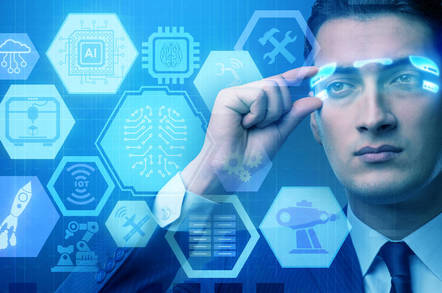
In an age where individuals are constantly looking for the “next big thing”, Facebook may have found just that with their recent acquisition of CTRL-labs. Facebook announced on Monday that it has acquired the neurotechnology startup CTRL-labs for an estimated range of $500 million to $1 billion. With their recent acquisition, Facebook hopes to further their efforts to develop a wristband that has the power to control smartphones, computers, and other devices without having to actually touch the screen. Facebook’s main goal for the last couple years has been to innovate and transform how individuals communicate with each other and the acquisition sets them far above their competition. The company hopes to further develop a wearable device instead of technology that requires surgery.
The startup, CTRL-labs, has been trying to develop a wristband that “decodes” the electrical signals that neurons in the spinal cord sends to individual’s arm and hand muscles. The wristband will play a crucial part in developing new ways that individual’s interact with technology and the company hopes to phase out traditional technology like mouse and keyboards, touchscreens, and any form of physical controllers. Andrew Bosworth, head of AR and VR at Facebook, says that “technology like this has the potential to open up new creative possibilities and reimagine 19th century inventions in a 21st century world. This is how our interactions in VR and AR can one day look. It can change the way we connect”.
Overall, in my opinion, I feel like this could really be a huge breakthrough for technology and could propel technology even further then we think it could. It makes sense to see Facebook invest in CTRL-labs because of the recent news that they have been trying to develop technology that makes it easier for consumers to produce and consume media. Not only could this technology impact cellular devices, computers, and social media, but it would have a huge impact on the video game industry. This technology could completely change the way that individuals consume and play video games. I will definitely be keeping my eye on this and I wouldn’t be surprised if Facebook tries to roll out a product within the next year, especially since they also own Oculus VR.
I chose to discuss this article for many reasons, but primarily because of my love for Joaquin Phoenix even though I truly believe no one will ever live up to the role Heath Ledger played as the 2008 joker. I also feel like this movie has gotten an overwhelming amount of attention- mostly for good reasons, until now.
In a letter to Warner Bros studios, families of some of the victims of a 2012 mass shooting that took place in a movie theater in Colorado, expressed concerns that perhaps this film may provide “encouragement” to someone who is on the edge and not at peace with themselves. Twelve people were killed and many more suffered serious injury in Colorado during a midnight showing of “The Dark Knight,” another movie that depicts the joker, by a gunman who is now serving multiple life sentences in prison.
The ultimate concerns by these families is that the movie is in a way promoting feeling sympathetic for Joaquin Phoenix’s character because of his origin story and his concerning mental health. Phoenix and “Joker” director, Todd Phillips, came to the defense of their movie saying that this depiction is something everyone is aware of, and therefore should not be so taboo. “I don’t think that we can be afraid to talk about it,” said Phoenix in an interview with IGN.
While I believe the issue with mass shootings in the United States is a growing and serious matter, I do not believe that writing a letter to Warner Bros is the best way to see any sort of serious action taken. Plenty of movies display this same character profile: a mentally disturbed young man or woman who takes to violence to fill a void of some sort that can never really be filled. This article prompts the question, should major television studios like Warner Bros walk on eggshells when depicting touchy social issues? The answer may not be so black and white, but perhaps is one that should be discussed by the industry at large.
According to YouTube pioneers, the platform just isn’t what it used to be.
“YouTube relies on creators to differentiate itself from streaming services like Netflix and Hulu, it tells creators it wants to promote their original content, and it hosts conferences dedicated to bettering the creator community. Those same creators often feel abandoned and confused about why their videos are buried in search results, don’t appear on the trending page, or are being quietly demonetized.” – Alex Castro
And Danny and Michael Philippou, better known as the twins from the YouTube channel RackaRacka, are angry about it.
Recently they released a video in which they reenacted Mortal Kombat fatalities (ICYDK, they are extremely brutal and gory killing moves in the aforementioned video game). Shortly after being posted, YouTube declared it violated their content guidelines, leaving the video hidden from users. Meanwhile, other accounts are creating their own copycat versions, where they can all be easily found with a simple search. None of these videos are hidden, despite contravening the same exact violence policy YouTube enforced onto RackaRacka. This naturally directs all the attention and views to these copiers, leaving no recognition for the original artists.
For the twins, this is merely one taxing component of YouTube’s flawed, life-draining business model.
YouTube heavily relies on advertisers to market their creators in order to make money, and these artists need to create content that is in competition with other streaming services like Netflix and Hulu. The flaw in the system, the twins claim, is their continuous use of household names for marketing purposes instead of “creative amateurs” looking for their start.
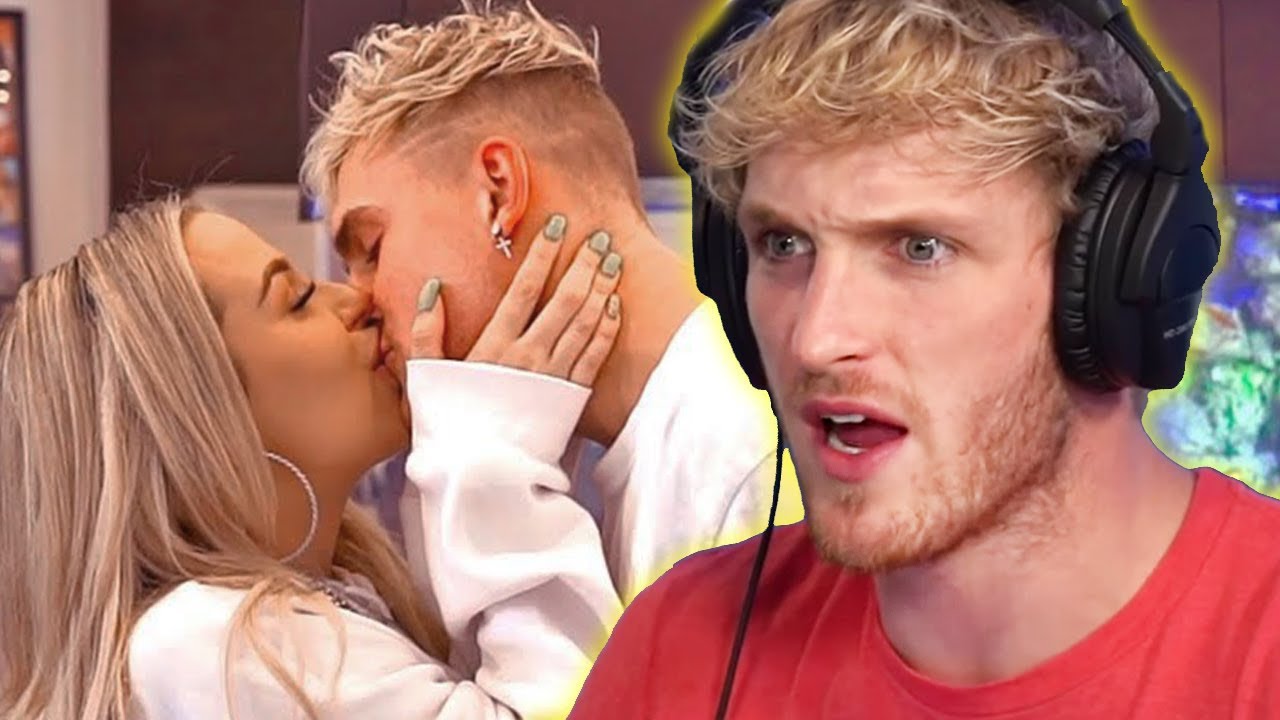
All of this attention is turned towards the names we see over and over again, such as Logan Paul and Tana Monogeau. Left behind is those working hard to be different in an age where YouTube’s top performers funnel out the same recycled material on a daily basis.
YouTube used to be a place where young artists could build a platform and make a living off of their content. I remember Smosh, Fred, Jenna Marbles, Shane Dawson, Ray Johnson; users with millions of subscribers that would publish daily/weekly original sketch comedies, commentary and roundups of viral videos.
Now, most of these names are just a memory. Why? YouTube’s interests changed.
In October 2012, their algorithm became more interested in longer length videos as opposed to the amount of views it receives, leaving viral videos like “Charlies Bit My Finger” a thing of the past. And some users capitalized on this method. Take Shane Dawson for example: once a 3-6-minute short comedy sketch creator with a myriad of wacky, eccentric characters, to a producer of multiple television worthy docuseries, some that lengthen over an hour per video.
As time went on, YouTube only furthered prioritized the value of their advertisers. By 2016, their ever-changing algorithm deprived original artists of funds and essentially demonetized their channels.
Flash forward to 2017, Viners infested YouTube, in hopes of leaching on to a new host. Upon Vine’s demise in January 2017, the 6-second video creators migrated to the other biggest platform in the world to share videos.
Though, instead of original content, Viner-turned-YouTubers, such as the Paul brothers, no longer needed to post good content. Alternatively, they published the most dangerous, stupid shit they could do in order to get views. And it worked.
Come 2018, YouTube is riddled with immense amounts of controversies from their biggest creators, such as antisemitic comments from their then most subscribed content creator, PewDiePie.
Now in 2019, YouTubers, whether forthright or otherwise, recognize the platform’s cultural and algorithmic shift, and know YouTube is no longer their home.
As for what’s next, Michael Philippou of the RackaRacka Twins has a solution:
“We leave. We find somewhere else that wants our videos. That used to be YouTube, but it’s not anymore. And I don’t think it ever will be again.”
SoundCloud has been one of the last free streaming services for music and a home for new and upcoming artists. Many artists have made their names public due to the exposure that they received on SoundCloud but that could change. Fan and musicians are sick of SoundClouds expensive hosting costs and their take downs. On the technical and interface side of things, the app and website are slow and lagging to many consumers so that is a concern as well. Audius is supposed to be the exact opposite of SoundCloud and it’s supposed to be a new home for artists and music lovers. It is said that the artists who put their content on Audius will be available to earn 90% of revenue earned. That alone will be a good incentive for some artist to consider putting some of their music on the platform. Another incentive will be that the platform can not take down music themselves. I found the article interesting because I like competition. I like to hear about a company coming into the market that tries to knock out the top dog. I use SoundCloud occasionally, but because that it doesn’t have a lot of music that I want, in the right versions I tend not to use it as much. It will be interesting to see how many artists begin to make a switch from SoundCloud to Audius and also how many new artists will blow up from the new platform. Audius is incorporating cryptocurrency into the app as well which is new to me, but could be something that can be picked up in the near future if proven successful. https://apple.news/AEbZw042JRKWJjHHok3ut4w
As many await the arrival of a new streaming service era of media, companies such as Disney have been putting in new tactics to try to separate themselves from its competition. Many are familiar with streaming platform giants Netflix and Hulu which pushed the industry towards a “cord-cutting” environment. In other words many are leaving their traditional cable and satellite television packages and using streaming services to access their favorite television series, movies, live TV, games, etc. Media companies such as the Walt Disney Corporation, WarnerMedia, and Apple have followed in the footsteps of this shift and are releasing their own streaming platforms in the next coming months.
Disney+ in particular, which is set to release on November 12, is gaining wide spread attention and could potentially become a top contending steaming platform in the industry. Recently the company announced that they will be offering a preorder promotion for the standalone app which includes a seven day free trial. The free trial will actually begin on the release date of the service and following that subscribers will pay a price of $6.99 a month ($69.99 per year)
The preview site advises those who want the app “as part of a $12.99-per-month bundle with Hulu and ESPN+ to wait until November 12 to sign up” (Disney+). This preorder and bundle reflects similar prices of other streaming services in the industry leaving it entirely up to the consumers the platform they wish to use and the content they feel as though they want to be paying a low monthly fee for.
Disney+ representatives believe their streaming service will have an edge in the field and attraction to new consumers because of the platform’s stress on “the best stories in the world from Disney, Pixar, Marvel, Star Wars and National Geographic.” Additionally, subscribers will have the capabilities of having unlimited downloads, simultaneous streaming on a maximum of four different devices, and up to seven profiles.
Disney+ is entering the streaming world in November confident that they will be part of the 2 to 3 monthly subscriptions that the average viewer is paying for each month as the cord-cutting shift grows stronger. Disney in particular compared to its competition also has a vast library of original content to offer that other services will not be able to have as contracts expire such as Disney Studios, 21st Century Fox, Marvel, Lucasfilm, etc.
News stories such as Dinsey+ offering promotions like early preorders is just the beginning of the wave of options and outreaches to media consumers to try out new streaming platforms. For the past couple of years Hulu and Netflix have been the dominant streaming services in the industry but as their contracts run out for content from other media companies such as WarnerMedia and Disney, these companies are looking to dip their feet in the large profit as well.
The real question that remains is as households switch from cable to streaming for their media needs, how many subscriptions will they be paying a month and most importantly which platforms will they choose? Will streaming platforms work together and accept customers using multiple platforms or will they try to offer one entire package to fit all of a specific individuals needs?
To the prevent users from absorbing inaccurate information , Pinterest has added a new feature to their search engine so that when users searches for vaccine-related terms, such as “measles” or “vaccine safety”, information sourced from various scientific organizations will surface.
World Health Organization (WHO), the Centers for Disease
Control and Prevention (CDC), the American Academy of Pediatrics (AAP), and the
WHO-established Vaccine Safety Net (VSN), are names of the organizations
Pinterest intends to prioritize with this new feature.
The update is for English-speaking searchers on the web and
Pinterest’s mobile apps for iOS and Android. Pinterest intends to expand this
feature to other searches and in more languages. In the future, this feature
will eventually be expanded to more languages and other searches. Pinterest also
mentioned that their platform will work with this organization to construct appealing
and creative images that are also based in science. By doing so, they hope that
it will lead to more users to sharing the images, and thus, the accurate
information will be spread out further.
A little while back, Pinterest spoke out against the spread of misinformation related to vaccinations and made sure that any results for vaccine-related search terms would not return to their platform.
Examples of Non-Science Based Health Information that Used to Float Around on Pinterest
According to the Wall Street Journal:
Pinterest has stopped
returning results for searches related to vaccinations, a drastic step the
social-media company said is aimed at curbing the spread of misinformation but
one that demonstrates the power of tech companies to censor discussion of
hot-button issues.
Most shared images on Pinterest relating to vaccination cautioned against it, contradicting established medical guidelines and research showing that vaccines are safe, Pinterest said. The image-searching platform tried to remove the anti-vaccination content, a Pinterest spokeswoman said, but has been unable to remove it completely.
Here are some examples of posts that would have gone unfiltered in the past
I like that Pinterest has taken steps to prevent the spread of misinformation on their platform. It seems as though anti-vaxxers are lurking on Social Media at a higher rate than before. It may not seem this way, but anti-vaccine propaganda often goes undetected, because anti-vaxxers have employed a whole “holistic approach” and others sly tactics disguise their ulterior motives and beliefs.
Another thing that should be mentioned is that it is affluent and well-educated individuals whom tend to spread anti-vaccine propaganda. These surprisingly wealthy individuals often favor alternative medicine like chiropractors and naturopathy because they want to be “different”, their power and financial status is what drives they’re allowed to make decisions which deviate from what is standard, normal, and accepted in society.
But that’s beside my point, anti-vaxxers have always preyed on the insecurities of parents to spread their propaganda and Social Media has just made it easier for them to target people’s emotions and tap into parents’ fears. The wave of anti-vaccination which occurred on Pinterest thoroughly reflects this and so, it’s important that Social Media companies recognize the particular behavior of anti-vaxxers on their platform.




/cdn.vox-cdn.com/uploads/chorus_image/image/63958347/62160588_10158363772901754_2086284985416810496_n.0.png) Visual source:
Visual source: 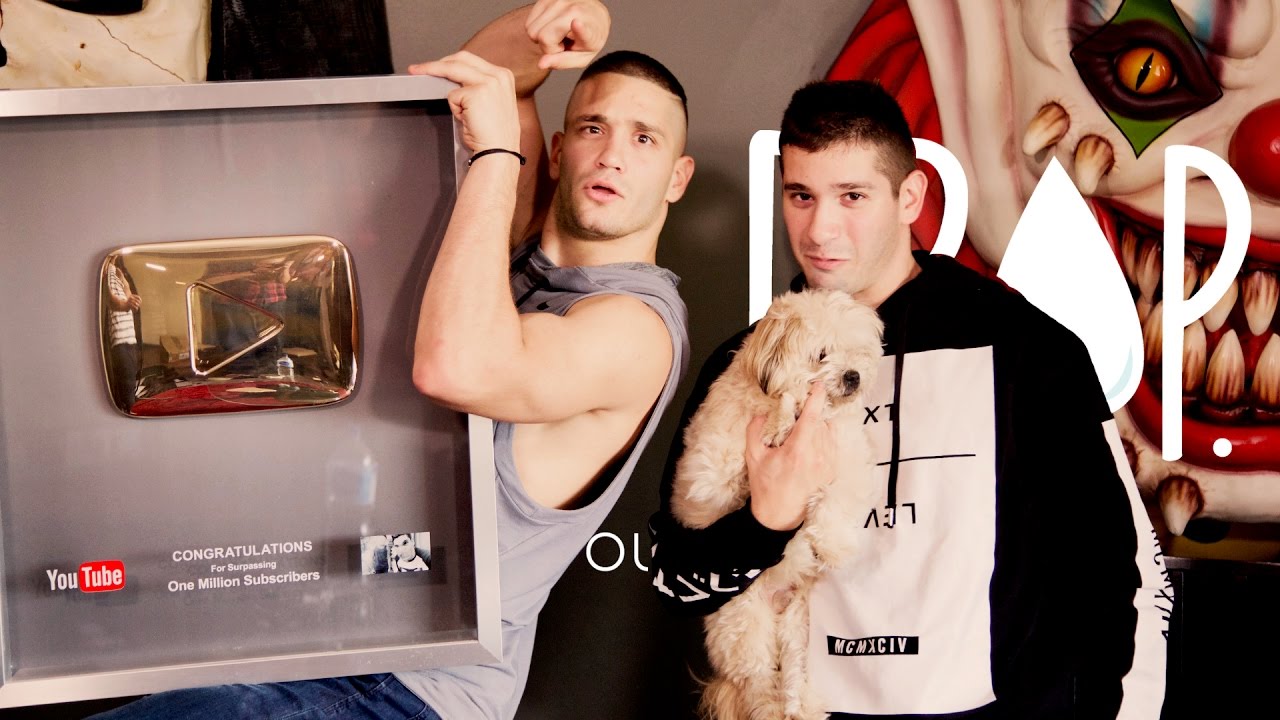
 Visual source:
  Visual source:
  Visual source:


 Current Issues In Media Management