
Another “win” for Starbucks?


Image result for starbucks black friday tumbler


Starbucks recently announced it’s Black Friday deal; a refill tumbler with free refills for one month. Of course, this product is not coming with the cheapest price tag but it does come with free coffee or tea in a more unique gifting method other than gift cards. These supplies are limited so if you are a Starbucks Phanatic you should probably consider this holiday deal, and fast. The $40.00 tumbler is equivalent to a grande drink and not surprisingly excludes Starbucks “Reserve” coffees. The only unfortunate part of this tumbler deal is that you must first buy a drink to get your free refill of coffee or tea. However, for any customers who may cherish Starbucks’s holiday flavors, this gift could be the ultimate stocking stuffer or gift exchange!

In my opinion, I think this is a great gift for a friend, parent, and definitely a girlfriend. The price is about the equivalent as purchasing a gift card only now you get the tumbler! When comparing this concept to Dunkin’ I think Starbucks has taken a leading role in the coffee industry and other companies should look into what other options there are to make them stand out next to Starbucks. I’m not positive if this gift has been introduced during previous Starbuck’s holidays but it is surely one concept to continue in the future.

Source: https://6abc.com/5711184/?fbclid=IwAR2ne8n03VcayIB1Xq3UWO3WAXJql68fToVfARe404t0Mlgph5peroFW_wE

Google Buys Fitbit and its Data

google-fitbit

Article: https://www.cnbc.com/2019/11/17/people-getting-rid-of-fitbits-after-google.html

Image: https://www.gadgetbytenepal.com/google-fitbit-acquisition-privacy-at-risk/

Fitbit is one of the biggest smartwatch companies in the US with their main competitor being Apple and their line of watches. On November first, Fitbit was acquired by Google which means all the health data that Fitbit recorded, will belong to Google. Many users are uncomfortable with this merger because they fear Google will sell their health data to insurance companies or other companies. Jennifer Elias of CNBC wrote an article about Fitbit users getting rid of their devices in lieu of this merger. She wrote about how Fitbit was bought for $2.1 billion and backlash from users and privacy advocates, the concerns may possibly stop the acquisition. Elias wrote about how users were fine with Google buying Nest Labs and integrating Google to home assistants and security. Their concerns are now that Google has access to all the data from the cameras in people’s homes and whatever data is collected from Google Home and health data. Elias quoted from a Fitbit user, “I like your product and have enjoyed it many years, but I value my privacy much, much more. The aggregation of data possible makes me extremely uncomfortable” (Elias, 2019). Elias used multiple tweets from users about the discomfort they feel having their data moved to Google. Many users are now considering using Apple’s watches because they feel more comfortable that Apple won’t sell their data or send it to insurance companies.

I found this article interesting because of the rise of privacy. More and more people are becoming concerned about where their data is going and who has access to it. Facebook has been dealing with a lot of backlash from users demanding better privacy and various lawsuits. Google has also been paying violation fees for Europe when the EU changed their privacy policies. It could be dangerous for Google to have people’s health information because these large companies don’t always keep their promises on privacy and data use. If I had a Fitbit, I would probably get rid of my device as well. I’ve been weary about the smart watches because I never wanted a company to have the ability to track my movement throughout the day and track how I sleep. It made me uncomfortable because these companies aren’t always transparent about what they plan to do with my data and I wouldn’t want an insurer to be able to up-charge me because they somehow have access to my health records from my phone. I also found it interesting that users from this article are completely fine with Google being in their home and recording their property, but health data is where they draw the line. I agree that one company having all that data is dangerous because they can build a profile on you that knows more about you than you do. I wonder if this merger will go through or if users and privacy advocates can stop it.

Netflix acquires Nickelodeon deal to compete with Disney+

As the war for streams starts to become more crowded, Netflix decides to change the game with a production deal, valued at 200$ Million dollars, with Nickelodeon. According to the New York Times, Netflix announced its partnership with Nickelodeon a day after the release of Disney+; a very strategic move to stir conversation and try to shift focus. Children’s media has always been a huge market for media companies, and now that Disney has their own streaming service, the ante is raised to a new level.

Disney owns the rights to the content that millions of children, young and old, grew up loving and watching. Many consider Disneyworld to be the place where dreams come true and often referred to in moments of celebration. How can a streaming service compete with that? Netflix responded with a network that is just as important in the lives of young children; Nickelodeon. Its genius because they can now produce shows with characters like Spongebob Squarepants, Danny Phantom, Teenage Mutant Ninja Turtles, Jimmy Neutron and Timmy Turner, etc. which is huge for many people because these some of these shows still air today and there is still the sentimental aspect of these shows that lives within multiple generations. Since these shows aired in the late ’90s to early 2000s, the ages that can connect to these shows will vary between children, teens, and young adults. According to the article, Brian Robbins, Nickelodeon’s president said, “Nickelodeon’s next step forward is to keep expanding beyond linear platforms, and our broader content partnership with Netflix is a key path toward that goal”.

It’s interesting that Viacom, the company that owns Nickelodeon, decided not to create their own streaming service. They certainly have enough shows given that they also own MTV and BET. However, this is a good choice because it allows Nickelodeon to test the waters, so to speak and Netflix is already an established streaming service, which is less work for them as opposed to starting a new streaming platform in the midst of a bunch of other streaming services releasing. Netflix will continue to create and produce original animated feature films and television series based on Nickelodeon’s mass library of characters, with the opportunity to create new characters. I am excited to see the adventures that Spongebob and Timmy Turner will go on now that they have a new company writing their stories.

Facebook to limit ads in 2020

Image result for facebook ads

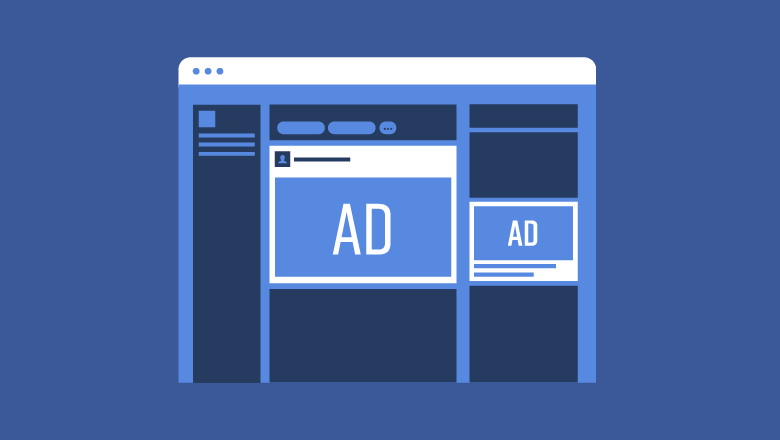
Facebook has recently announced that in 2020 they will start to limit the amount of advertisements a page can release on their site. A crazy idea that Facebook would turn down potential ad revenue and limit advertisers may not seem like such a crazy idea. Coming with the announcement Facebook said that only a small percent of advertisers and companies will be affected by this change. But when asked about why they are starting to limit the amount of ads they are allowing on their site they responded with “quality”.

Facebook plans to increase the quality of the advertisements by limiting the amount of ads a company can run. When a company can run as many ads as they want they produce low quality, potentially dangerous ads that do not serve the public’s best interest. And more importantly running too many ads leads to overall worse “ad performance”. Flooding the market with low quality ads takes away from the high quality ads and tarnishes Facebook’s ads results. When Facebook’s ad results get tarnished it lowers the price per ads and hurts Facebook in the long run. 

One of the latest ways Facebook has joined the movement to rid the platform of fake news. More and more media companies like Facebook and Twitter are starting to take a look at how their platforms are starting to affect the world outside of their platforms. Twitter not running political ads and Facebook limiting ads are ways these companies can keep a check on outside influence and interference with the American People.

Source: https://www.socialmediatoday.com/news/facebook-will-implement-limits-on-how-many-ads-a-page-can-run-in-2020/566605/

Account Sharing is Now Piracy

piracy

Article: https://www.inc.com/jason-aten/netflix-isnt-cool-with-password-sharing-anymore-why-piracy-is-about-to-be-next-battle-in-streaming-war.html

Image: https://reprog.wordpress.com/2011/09/09/well-that-about-wraps-it-up-for-copyright/

Netflix paved the way with their streaming platform and was synonymous with account and password sharing. Personally, I share an account with my sister and have been able to enjoy content that way. With the new development of Disney+, HBO Max, NBC, and Apple TV, Netflix is trying to cut down on password sharing. At first, Netflix tended to turn a blind eye at password sharing because their revenue came from views an they had more enough accounts to have a profitable income. Jason Aten at Inc.com talks about how Netflix will now consider account sharing as piracy. Aten says that Netflix has hit a saturation point of subscribers so they really need users to stop freeloading accounts in order for them to make a profit. At this point, Netflix is probably losing money from the number of people sharing single accounts. With Disney+ taking to the market soon, Netflix has to figure a way to make a profit from their platform. The Alliance for Creativity and Entertainment is the group behind this movement, they are made up of Warner Bros, Disney, Netflix, Sony and Paramount. Their plan to target the technology, not the users for “pirating”. Their goal is to create a solution that could track location of the device and device tracking itself. This is a huge concern of privacy, so it’s interesting to see where ACE will take this.
I found this article interesting because there are so many platforms to pay for now. People are cutting cable and now continuing to pay for services that add up to a monthly bill the size of a cable package. I’ve seen opinion pieces on how piracy will probably come back since it is becoming more and more difficult to stream things on a budget. This move could bring real privacy issues if major companies are able to track the location of devices we watch their content on. It’s a bit scary that ACE is advocating for Creativity and Entertainment is major studios actively making it hard for people to reach content. It is also scary that account sharing is considered piracy now because that can needlessly put people in prison for sharing their passwords. I know it’s frustrating when a company has such hard competition and needs to up the ante but eliminating the ability to share accounts seems like they’re scraping the bottom of the barrel. Maybe DVDs and physical media will make a comeback from all the legal hoops streaming sites are making their customers jump through.

Temple University Partners With Head-space App To Provide Better Mental Health To Student-Athletes, But Is This Partnership Really Worth Praising?

On Sept. 23, Temple Athletics Department announced a new partnership with Headspace, a popular self-guided meditation app, that will provide more than 500 student-athletes free accessibility to the app. The app subscription typically costs $12.99 a month but offers a $9.99 annual student discount rate.

HeadSpace has more than 50 million users in 190 countries, and can reduce feelings of anxiety, stress, fatigue, sadness and irritability, as well as increase concentration, endurance, wellbeing and better decision-making.

However, there are a handful of students who feel as though Temple’s partnership with head space is inconsiderate to vast majority students who struggle with mental health issues on Temple’s campus, where many of them are unable to book an appointment, or find it difficult to book an appointment at Tuttleman’s counseling services.

Of course, athletics is a time-consuming activity, and it’s understandable how this can be straining to one’s mental health. However, many students in general don’t have the time to seek out mental services due to school and work obligations, and so having app like Headspace made free to them would be extremely immensely.

Temple responded to the aforementioned tweets to say that students can actually use the app for free in a certain location on campus.

Even so, I understand why other students quite irritated by the special treatment they believe athletes are receiving and this is why I think it’s good that students are taking to Twitter to voice their concerns on the matter. However, there are many platforms that can teach students how to better meditate if they are seriously interested that is similar to the content Headspace provides to it’s users.

https://owlsports.com/news/2019/9/23/general-temple-athletics-to-provide-headspace-app-to-student-athletes.aspx

https://www.refinemagazine.com/the-blog/opinion-temple-mental-health

Your Privacy does not matter when you Stream

Recent deals involving Roku and other companies have expanded the surveillance infrastructure that operates in the background of streaming services.

Welcome to the 21st century, where soon there will be more than just Netflix or Hulu streaming content to us. Coming very soon many different corporations and media tech companies will be unveiling their “new” streaming service, Disney+, Apple TV Plus, and Peacock just to name a few. What is creating all these streaming services is not the desire to share their content with you on their platform, it’s to make money, and the main way these companies do that is through advertising and data collection but the methods used to get the ad to you is coming from a dangerous place. 

Data collection is becoming the new currency for these streaming giants. They are able to collect data based on what shows you are watching, what device you are using to watch, your location, and so many other factors that create a pretty clear internet footprint of who you are and what interests you. These streaming companies collect all this data and use it to target you with widely specific advertisements. With streaming service becoming more and more popular, advertising companies now have a real-time data stream on their users that has never existed before with traditional television but with all this information being tracked and all the money the data is worth sometimes our privacy takes a back-seat for these companies so they can make some extra money. 

Advertisers are starting to shift spending from traditional television to streaming services by the tune of 3.8 billion dollars and many companies are trying to get on the money. With this rise in advertising within the streaming industry, many users of the streaming services are at risk of having their data taken without their knowledge. In recent years, tech giants such as Vizio TV and Samba TV has been accused of gathering and selling your data without your knowledge just by using your TV but even just knowing that these companies are doing this is not enough because this is such new ground, there are no laws or regulations in this data collection industry. Trackers and other software that collect our data on these platforms happen without us knowing and behind our backs only to target with super specific ads and without and rules data collection is only going to become more corrupt.

Source: https://www.nytimes.com/2019/10/25/business/media/streaming-data-collection-privacy.html

Sony’s Vue Up for Sale

playstation-vue

Article: https://www.theverge.com/platform/amp/2019/10/25/20932088/sony-playstation-vue-sale-streaming-war-competiton-content-cost

Image: https://www.androidauthority.com/playstation-vue-tv-gains-chromecast-support-662993/

Along with AT&T, Netflix, Hulu, and Disney+, Sony had their own platform to stream video content from. Sony used their PlayStation platform to create Vue, a service that cuts the chord with cable, but allows users to still watch live television and have a DVR service. The service was rather popular and has about 500,000 active users. Vue is a one-of-a-kind service that has differentiated itself from its competitors, but they have significantly less subscribers than the rest. According to Jon Porter of the Verge, a sports-focused streaming service called FuboTV is the only company that has seriously considered purchasing Vue from Sony. This summer Sony hiked the price of Vue by $5 a month and said they are still struggling to keep it profitable even with the price increase. Porter says that Vue doesn’t have a large library of its own, so besides its live television feature, it’s a bit hard to compete with others. Vue is one of the only internet television services available and they refused to allow YouTube TV, Sling TV, or Hulu’s live TV service on their platform. Porter also says that if Vue is sold, then users could see a change in the type of services Vue can offer.

I found this article interesting because it touches into the competition that AT&T and Disney+ have created, an extremely competitive market and consolidation is making the market even more hard to break into. I thought it was interesting in this article\\\ the author said that selling Vue is probably a good idea for Sony as the streaming business becomes more aggressive. Many people in media hypothesized that once Netflix paved the way for streaming, that everyone else would catch on and make streaming the new cable package. I found this interesting because in 2013, streaming wasn’t huge and there were only a handful of companies that advertised their services. With the growth of Netflix and Hulu, Disney is creating Disney+, Apple TV has created Apple TV+ and AT&T acquired HBO who plans to launch HBO Max in 2020. Along with NBCUniversal planning to launch their service, Peacock in upcoming months. Each service is also focusing on exclusive content to ensure they can hook their viewers. This is really interesting to watch because instead of paying Comcast or Verizon hundreds of dollars a month, users are “saving money” by having four or five streaming services that cost $12.99 to $20 a month.

Facebook Loses $35 Billion Lawsuit Over User Data Privacy and Transparency

facebook-facial-recognition-photo-review.png

Article and image: https://techcrunch.com/2019/10/18/facebook-35-billion-lawsuit/

Facebook has been a company that everyone is talking about for the past two years. Each report comes out with an action against the company and how much control and data they have mined and sold from their users. This week’s report follows a lawsuit against Facebook for $35 billion in a class action lawsuit that addressed misuse of facial recognition. Josh Constine of Tech Crunch reported on this lawsuit as it is one of the largest FTC class action lawsuits, “breaking the previous largest lawsuit at $5 billion” (Constine, 2019). Facebook makes about $55 billion a year in revenue, so this lawsuit put a dent in their earnings and forced the company’s stock to drop 2.25%. The lawsuit focused on Facebook suggesting people to tag in photos. For instance, if I uploaded a new profile picture with myself and a friend and didn’t tag my friend, Facebook would suggest if I wanted to tag the person and addressed them by their profile name. Meaning, the company can recognize user’s faces and use them for things beyond tagging on social media. Facebook claimed that they were very transparent with their use of this technology, but this lawsuit proves otherwise.

I chose this article this week because this is a major lawsuit that actually asked for a large amount of money from this major website. I have been curious about Facebook because they are trying desperately to make sure they are still relevant, throwing new services out and hoping that one of them catches on. These services being streaming with Netflix, a new dating app, and even a cryptocurrency. The public is finally understanding that huge sites like Google and Facebook are collecting a lot of data on people and aren’t using the data for app improvements or to let users know about themselves. No, they are collecting data, creating in-depth profiles and selling that data to advertisers and third parties for revenue. These profiles would probably tell you more about you than you even know. They predict shopping trends and political trends. The profiles even know where you were three years ago on your trip to Europe down to the time you spent at a café and how much you traveled. Facebook started face mapping in 2011, so this has been eight years of facial recognition that has been saved since 2011. Learning that Facebook is being held accountable for their data misuse makes me feel better about the future since people are getting outraged at how much data websites and apps keep on us without our knowledge and with little transparency.

Netflix’s Final Calm Before The Storm

http://Netflix won’t ‘shy away from taking bold swings’ as streaming competition heats up – The Verge https://apple.news/A8w2FJP6DQG-d4Z5LedK5ZA

Netflix has been the top dog in the streaming industry for the past couple of years, and there was no sign of slowing down. The company now has over 158 million subscribers worldwide. During the second quarter Netflix’s revenue and subscriber count was increasing slower than usual. The company then turns around and brings in 6.8 million subscribers and $5.2 billion in revenue over the past 3 months alone. Both of those numbers are higher than they were at this time last year. The increase in subscribers has a lot to do with the recent release of Stranger Things. Stranger Things is an Netflix original, that is now on its 3rd season. The show has had great success since its initial season, and the 3rd season was watched by 64 million accounts in the first 4 weeks.

The next time Netflix receives its report earnings there will be 2 more media powerhouses now in the market. Disney, and Apple are releasing their own streaming services. Personally I would be more concerned with Disney rather than Apple. Based on the movies, and TV shows that is in Disney’s arsenal it could shake up the game. I would imagine that Apple will have a good amount of syndicated media, and test out some original content. HBO Max, and NBCUniversal are 2 other streaming services that are entering the market in 2020. The CEO of Netflix Reed Hastings isn’t really concerned about the new entrants in the market. He stated, ” While the new competitors have some great titles (especially catalog titles) none have the variety, diversity, and quality of new original programming that we are producing around the world”. Netflix isn’t slowing down, and they are still taking bold swings to increase business.