Columbus Ohio is getting a boost to their public transportation sector with the latest in U.S. funded autonomous technology testing. This week Columbus will become the first United States city to have a completely autonomous public transportation shuttle. These smart buses will travel on three mile rout that starts at the linden transit center, goes through the cities largest public housing development, and eventually stops at St. Stephens community house which services around 22,000 residents annually.
Stemming from the Smart Cities Challenge, a program implemented by the Obama administration aiming to encourage cities to step up and develop more advanced transportation modes, Columbus was able to beat out six other finalist cities to become the winner of a 40 million dollar federal grant, “Smart Columbus” was born.
Columbus is a fast growing city and with the rapid growth to its population transportation systems will begin to stress under the increased workload. The implementation of the new transit system will work towards connecting neighborhoods and making sure none are left behind. For example the south linden neighborhood has an above average infant mortality rate, the city hopes that this new transit technology will improve access for pregnant women to the St. Stephens clinic and its food pantry. Smart Columbus plans to have over 300 pregnant enrolled at the start of the program.
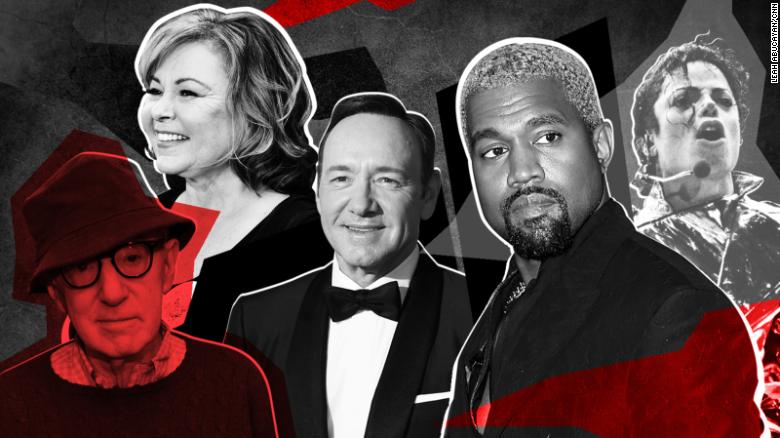
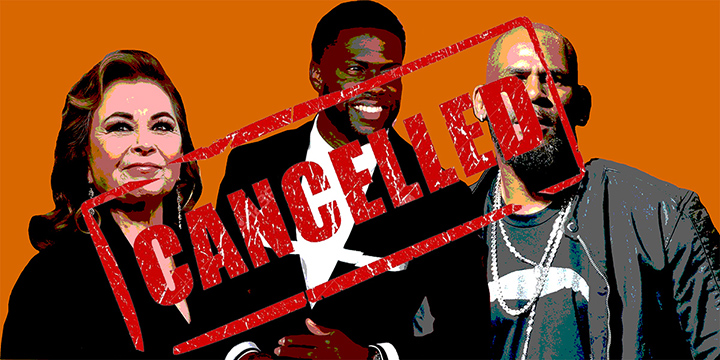
For those who aren’t as familiar with what cancel culture is, canceling and cancel culture have to do with the removal of support for public figures in response to their objectionable behavior or opinions (which can include boycotts or refusal to promote their work.)
In late 2018, comedian Kevin Hart publicly stated he would be hosting the 2019 Oscars; an announcement that triggered intense public scrutiny regarding homophobic jokes and tweets he had previously put forth. While the backlash against Hart came from many different directions, a majority derived from the social media platform, Twitter. Although ‘cancel culture’ is not a new phenomenon, it is evident that it was brought to the forefront of American pop culture after Hart’s “canceling,” and has continued since.
With this idea of “canceling” in mind, the question many have is whether or not canceling is harmful or effective in holding these celebrities and public figures accountable.
Last night during the Oscars, Joaquin Phoenix gave a discursive speech in which he both criticized “cancel” culture and advocated for social justice while accepting the Oscar for best actor for his performance in “The Joker.” In his speech he said,
“I have been a scoundrel all my life, I’ve been selfish. I’ve been cruel at times, hard to work with, and I’m grateful that so many of you in this room have given me a second chance,” Phoenix said. “I think that’s when we’re at our best: when we support each other. Not when we cancel each other out for our past mistakes, but when we help each other to grow. When we educate each other; when we guide each other to redemption.”
Like Joaquin, many believe that cancel culture is merely harmful to society and those individuals being “canceled,” but, according to the article on Daily Toreador, many also feel that it’s unfair that celebrities can seemingly “get away” with hurting other people or making damaging and harmful statements, even after being canceled for a little while. At the same time, however, it is both concerning and detrimental that as a society, we perpetuate a culture of simply canceling someone instead of encouraging them to be better and holding them accountable in a constructive way (similar to what Joaquin said.)
I think we can all agree that public outrage against celebrities is expected and sometimes even justified in some cases, but is it possible that sometimes cancel culture can go too far? What do you think?
The race to 5g is already being won by Huawei, a Chinese telecommunications company. The capabilities of 5g range from instant downloads of movies, to automating surgery and highway transportation, but the risk is that with more devices using the internet, the more room there is for security breaches.
In 2019 the National Security Council discussed building the new internet/5g framework from scratch with cyber-security as a primary objective, but the Trump administration repealed those requirements for 5g.
The accusations of Huawei being a means through which the Chinese government can keep tabs on the world, and the efforts of the Trump admin to slow the implementation of Huawei’s tech have basically failed as countries in Europe and Asia are showing interest in Huawei’s 5g.
The article ends with a quote by former Senior Director of the N.S.C. Richard Spalding; “What is existential to democracy is allowing totalitarian regimes—or any government—full knowledge of everything you do at all times because the tendency is always going to be to want to regulate how you think, how you act, what you do. The problem is that most people don’t think very hard about what that world would look like.”
I found that quote very interesting because sometimes I think that’s how I think about media in the US. With the patriot act and our phones seemingly always listening and maybe even seeing what we’re doing, does the idea of 5g still scare people? Maybe the US in some sense regulates how we think/act and what we do- do people feel differently if it’s the Chinese gov’t controlling our media messages?
As the movie industry is in a period of transition, the Oscar nominations reflect that. With the overflowing content coming from streaming services, there are more movies to review than ever. Netflix has greatly impacted the movie industry by adding their own originals such as Irishman and Marriage Story. Although these movies got great reviews, there is still a gap between those who liked the movies and the critics saying it was not good enough. Because these movies are not played in theatres, the number of tickets sold at box office and awards received are not going to correlate.
With Netflix expanding the pool of movies to choose from, studio movies such as Avengers: Endgame and Frozen II were left out. This is to much surprise for the box office numbers did well. Old School studio movies did well like 1917, Once Upon a Time, and Ford v. Ferrari. By that measure, Joker made the cut earning $1 billion worldwide.
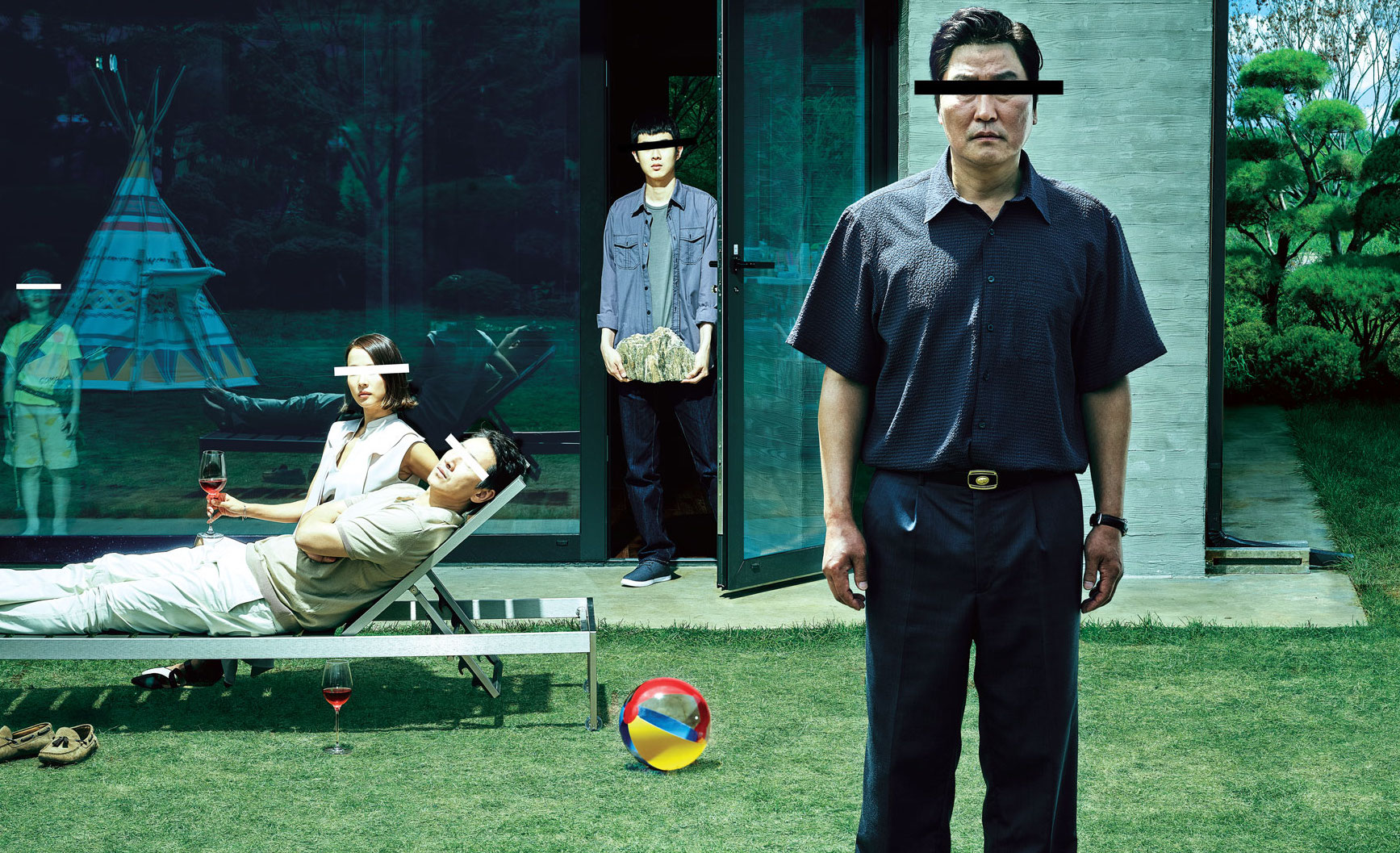
The Academy also went through a lot of criticism for not nominating enough movies with people of color and women. That being said, no women were nominated for best director and only two actors of color. Although many critics would have liked to see more actors and directors of color, a South Korean movie titled Parasite got a nomination for best picture. It being only the 10th- foreign language film to be nominated for best picture, this was a win for those who advocate for diversity.
As the academies approach it is always important to understand the importance of this award show. The academies tells a lot about the period in which the movies were released. This year, the Oscars can tell a lot about what American is going through with increased streaming services and demand for diversity.
A new documentary series on Netflix has just been released yesterday. It takes a deep dive into understanding how African-Americans were portrayed in media entertainment. Ever since the #Oscarssowhite movement that took place around five years ago, anti-discriminatory notions have taken over social media. With African-Americans feeling they have not been properly acknowledged for their part in the movie entertainment industry, They’ve Gotta Have Us looks into how the perception of having people of color in films has changed.
This documentary series discusses the effects having African-American cast members had earlier in the movie industry. The idea that having people of color in movies would result in less sales and less popularity across seas is changing. Notable African-American films are having major success such as Moonlight’s and Get Out. These films have changed the script for African American producers dreaming to make it big in the film industry. (“The color the really care the most about is green.”, Don Cheadle) The film industry will really change for what the people want.
Another highlighted point of this documentary is that having African Americans in front of the camera is not enough. More recognition has to be made for the African Americans who are also excellent producers and writers. Essentially, the directors and producers are the ones who call the shots. They make the big decisions and in order for African American people to be shown true appreciation, the people behind the cameras need their recognition.
With the growing number of streaming services, more creators of any color will have the opportunity to put their work out there.
There’s no better way to celebrate another #BlackHistoryMonth than with a full dose of… superficial black washing of classic novels? This past week, publisher Penguin Random House announced its new editions of “literary classics”, but with a twist: they feature black characters on the covers of the novels. You might be quick to say, “oh, woah! We love #Inclusion“, unfortunately, in this case it would be more of a #Illusion with another lazy attempt to market to an underserved demographic.
This collection of “Diverse Editions” of classic novels, was AI curated. Yeah, meaning some computer scanned through a big database of 100s of texts and tried to pick the ones that featured less obvious mentions of race.
From this obviously thorough & carefully thoughtful process of curation, 12 books were chosen to represent this next generation of classic editions:
Alice’s Adventures in Wonderland
The Count of Monte Cristo
Emma
Frankenstein
Dr. Jekyll & Mr. Hyde
Moby Dick
Peter Pan
The Secret Garden
The Three Musketeers
Treasure Island
Romeo & Juliet
The Wonderful Wizard of Oz
Each of these great titles were then commissioned to artist to provide covers featuring non-white illustrations, and there we go! Diverse Editions complete!
…Weak, dude. It’s so weak. There’s so many problems with this fundamentally lazy approach that my little brown fingers don’t even know where to begin with unpacking this. Actually, let’s start there: brown fingers!
@PenguinRandomHouse, how about instead of superficially black-washing canon stories that are written by white authors about white experiences for white audiences, you actually take the opportunity to simply highlight black authors and black stories!
This list is filled with British and American authors whose stories (while total classics and absolutely sick in their own right) cannot be simply converted to colored narratives with the simple change of cover art. When actually reading these books, there are some very clear contextual clues that these characters are white and can only be white and are no less so for a lacking mention of race.
For instance, The Secret Garden. Gr8 book, but is very, very obviously about a little white girl born to British colonialists in India. Although the book never directly describes the color of the protagonist’s skin. It is hard to read the character say things like: “You thought I was a native! You dared! You don’t know anything about natives! They are not people—they’re servants who must salaam to you. You know nothing about India. You know nothing about anything!” and think that little Mary Lennox was down with the brown. #SorryNotSorry #ThatsTheTea
The unfortunate tea is that characters in “classics” are assumed to be white because we live in a culture where white is the default, and these books are filled with problematic depictions of race that don’t suddenly disappear if you change the race of the protagonist on the cover.
It’s insanely naive to believe that an algorithm can smooth over the racial bias that’s baked into reality, especially when these algorithms are like, dripping in racial bias themselves. Industries are staring to get a bit too optimistic with tech. Often it ignores or reinforces the existing inequalities regarding things from housing loans to police surveillance, and now I guess it’s representation
This approach does nothing about the real material and ideological reasons why every character is read as white and presents a superficial fix, meanwhile there are classic stories that totally center non-white characters, explore non-white experiences, and are written by non-white authors. So lets get their voices heard! Meanwhile, this lazy attempt at representation can literally lose my number… the art is dope though.
A few weeks prior to the Super Bowl the brand Planters took over Twitter’s trending page after killing off their brand mascot, Mr. Peanut. When it comes to Mr. Peanut, he is usually someone that you would hear about in passing. To the younger generation, he doesn’t mean much. Over time, Planters became somewhat of a forgotten brand since not many kids are buying bags of peanuts, and if they are, buying them specifically for the planters brand. Planters realized that they needed to revamp their brand and become relevant again, and to do this, they had to kill off Mr. Peanut…or so we thought.
The commercial aired by Planters during the Super Bowl started out as a funeral for Mr. Peanut. In the audience were other brand mascots such as Mr. Clean and the Kool Aid Man. As the ad plays out, the Kool Aid Man’s tears bring Mr. Peanut back to life, but this time, as an adorable baby. The hashtag #BabyNut soon took to Twitter. Many people on the app started falling head over heels for Planters new mascot. Soon the brand became more popular in those few minutes than it ever had before.
This idea to rebrand and make their mascot a baby was no doubt caused by the Baby Yoda trend. In an effort to reach a younger audience to become talked about, Planters saw the effect that Baby Yoda on Twitter uses and thought that their brand could get just as popular. By piggybacking off of the Star Wars brand strategy, many people are thinking that Planters is trying to rip-off Baby Yoda with Baby Nut. As the idea for baby themed mascots seems to gain more traction, how many more brands will start to hop on the baby bandwagon.
In this article, it dives into twitter and how they are looking into banning fake videos and photos. There are several faked photos and videos put on to twitter nearly every day. These photos and videos can impact people’s safety and cause harm to others. That is why twitter is creating a “balancing act” so “allowing parody and removing disinformation — that social media companies face as they try to police the content posted to their platforms more aggressively.” Twitter has had a lot of issues with this. They took a survey from 6,500 people, and around seventy percent thought it was unacceptable for twitter to do nothing about it. People distort and lie about the information that can be crucial to the public. Many media platforms try to buckle down on this, but twitter will now face pressure from all around that they do a better job with it. There have been many examples in the past but one being that there was an edited fake clip of former vice president Joe Biden making racial slurs, but it was not real, and it circled the internet worldwide. Joe Biden was made out to look very bad, and it wasn’t even real. I thought this article was so interesting to read because I have also seen for myself faked pictures and videos that are done so well that they are seen as real. Twitter needs to put their foot down and make sure it doesn’t happen again so that the public remains safe.
This year’s Super Bowl between San Francisco 49ers and Kansas City Chiefs was estimated to cost more than $5 million on average.
It’s a huge cost for a 30-second commercial. Companies spending this much advertising money seem crazy but has it been worth it?
Last year, the New England Patriots and the LA Rams had the highest ratings with ticket sales rising after movie commercials came out in those cities, says the report. During the survey, the cost of advertising movie trailers averaged about $3 million, but ticket sales grew to $8.3 million, with investment returns of about 277 percent.
The results showed that there was a 250 percent return on investment. There was a similar halo effect for companies that ran ads during the frenzy of NCAA March every year.
Before seeing this data, many people would have been skeptical about Super Bowl ads. Why would companies pay astronomical costs for such single-shot ads? The obvious answer is that hundreds of millions of people watch the Super Bowl games, and companies have the opportunity to advertise them. Companies pay that much for advertising, and they benefit more due to the high amount of people actually seeing the ads. Another thing to notice is that special events deserve to spend that much on advertising. People will criticize why companies do these ads every year but the effect of advertising is much greater than most people think. Some people may be confident that they are not influenced by the advertisements, but most people probably aren’t. Those who make these ads understand human nature better than anyone else.
As of today traditional television is on its last leg. Most of the best content to watch is already online. Websites such as Netflix, Hulu, Youtube, now Disney plus, with Peacock on standby, streaming will dominate the decade. Google Fiber sees the trend and is opting to change it’s perspective as a company. After the change to drop traditional television methods comes with partnerships of Youtube TV and FuboTv. FuboTV distributes lives sports, offers over 35,000 live sports events yearly. Now new Fiber customers have two options on how they want to receive live and on demand programming.




 Current Issues In Media Management