Featured

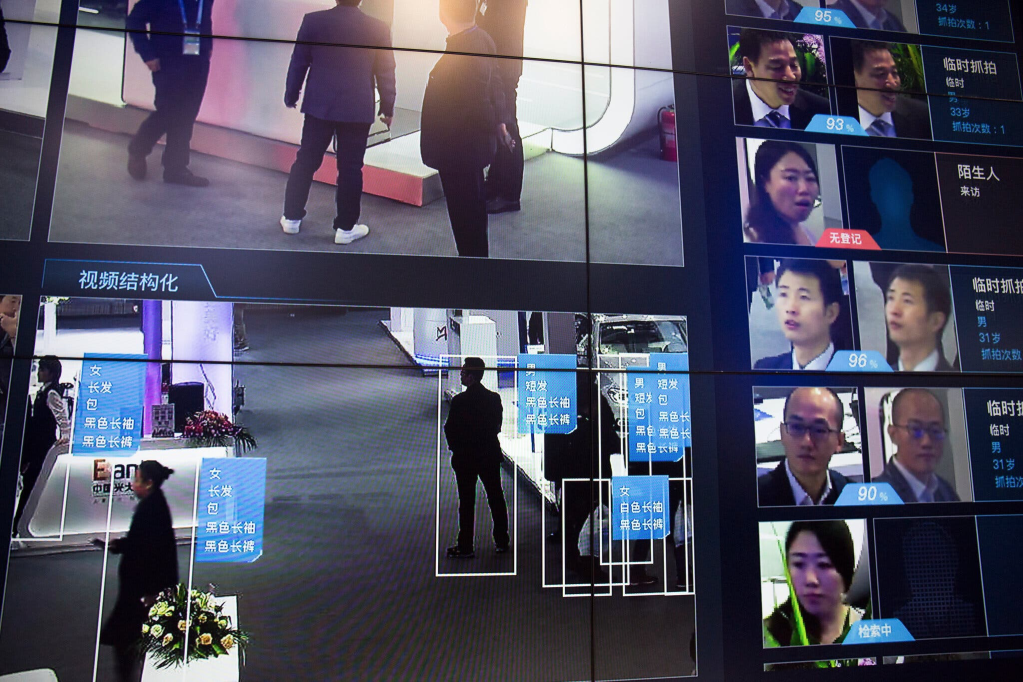
Facebook and Facial Recognition

Source: The New York Times

Facebook has been making headlines all October long in lieu of leaked reports from former employee, Frances Haugen. On November 2nd, Facebook’s parent company, newly coined ‘meta’, announced that it would be terminating their decade old facial recognition software and all the data that came with it. Facebook may be cutting their losses with this elimination, as the technology has sparked many conversations about privacy concerns.

Vice President of Artificial Intelligence at Meta, Jerome Peseti, attributed the change to “many concerns about the place of facial recognition software in society because every new technology brings with it potential for both benefit and concern and we want to find the right balance.”

The introduction of this technology came in 2010 and satiated people’s obsession with time saving features. The application could automatically identify friends and family in photos using facial geometrics and link all the photos to their personal account. “Facebook now has built one of the largest repositories of digital photos in the world, partly thanks to this software.” Questions have come up in recent months, wondering what exactly Facebook is doing with all this information.

A decade later, and many are more concerned about their privacy being infringed upon then they are about saving time. Similar technologies have been recently misused in countries like China to control minorities. In the United States, the government employs this technology to help with policing, but many wonder if this feature is seamless enough to avoid problems such as mistaken arrests.  The algorithm used to make this feature possible is called DeepFace and has yet to be sold to any third parties. Despite all of this, Meta has not promised they won’t use this software in future products.

Trump to Tell us the Truth

Paul J. Richards/ AFP via Getty Images

Donald Trump is creating a new social media platform, called Truth Social, which he considers his newest endeavor to improve the United States. The article from NBC News focuses on the fact that it has potential to make millions of dollars and be a huge success, but at the same time, could flop and be a massive failure. Some major themes of the app will likely be promoting similar political messages from when Donald Trump was president, calling out other social media apps like Facebook and Twitter, and challenging big tech and media companies. The message being sent from the new platform is related to cancelling “cancel culture.” The app looks similar to Twitter and allows people to share a “Truth or Re-truth.” The plan is to make money through the social media platform, but Donald Trump has a history of failures in the business realm, which gives the impression that this platform could flop.

            This is an interesting move by Trump and his team. It is very likely that almost all of the users on this social media platform will be supporters of the former president, which means that there will not be much political diversity. A large aspect of this platform will be people praising Trump and there will not be much pushback because many people who do not support him will not have interest in being on the platform, although there will be a few. Personally, it will be interesting to hear what happens on the app through other news stories or social media apps, but I do not plan on making an account because I do not enjoy debating on topic’s I am not extremely invested in.

Elon Musk’s New Cryptic Tweet

https://twitter.com/elonmusk/status/1455327010302087173?ref_src=twsrc%5Etfw%7Ctwcamp%5Etweetembed%7Ctwterm%5E1455327010302087173%7Ctwgr%5E%7Ctwcon%5Es1_&ref_url=https%3A%2F%2Fwww.cnbc.com%2F2021%2F11%2F02%2Felon-musk-goes-viral-on-chinese-social-media-with-ancient-poem-post.html, Elon Musk

Last Tuesday Tesla CEO Elon Musk posted an ancient Chinese poem to Twitter and Weibo. Chinese netizens began simultaneously debating what the posts might mean as well as praising Musk for his knowing of and understanding of the text. Musk has become known for posting similarly cryptic messages to Twitter in the past. In This specific post Musk wrote “Humankind” followed by an abridged version of “The Seven Steps Verse” in its traditional Chinese. The poem in question is highly allegorical and describes the relationship of two brothers from a royal family during China’s warring Three Kingdoms period. This poem is notable for its being taught as part of the standard curriculum in China’s primary schools. The poem is meant to convey the importance of getting along. Discussions centering around the deeper meaning of this post trended on Weibo last Tuesday the initial post receiving 100 million views.

A popular interpretation states that the post was alluding to the rival dog-themed cryptocurrencies, doge coin and Shiba Inu. This because Musk is known for sending waves through the cryptocurrency sphere and he’d been posting about those two coins recently. This all despite the fact that cryptocurrency trading is band in China.

The state-run publication news agency Reference News put forward a different interpretation. They posited that the post might be alluding to a heated exchange Musk recently had with the United Nations Food Program’s executive director this past monday regarding donations.

Musk’s posting the Chinese poem represents a departure from what he typically posts about on Weibo. Musk’s 1.9 million followers on Weibo are instead accustomed to his praising the Chinese space program and China’s economic growth over the past three decades.

Musk has remained a popular figure in China despite worsening U.S-Chinese relations. This as well as regulatory criticisms of Musk’s company Tesla which operates a factory in Shanghai. Tesla did not jump to address the Chinese poem controversy when asked to comment.

This article interested me for two main reasons. For one, I think it’s interesting that figures like Elon Musk are so regularly posting cryptic tweets to be decoded by those who follow them. This trend is made more significant when it’s taken into account that most of the time these cryptic messages pertain to major economic movements in cryptocurrency and the stock market. Secondly, this article interest me because of its casually stating that Elon Musk got the attention of 1/14th of the entire Chinese population. This shows not just how powerful today’s elite class is but also how quickly cryptocurrency has come into the mainstream.

CNBC. “Elon Musk Goes Viral on Chinese Social Media with Ancient Poem Post.” CNBC, CNBC, 2 Nov. 2021, https://www.cnbc.com/2021/11/02/elon-musk-goes-viral-on-chinese-social-media-with-ancient-poem-post.html.

Garfield Is Getting A New Movie For Theaters

https://www.hollywoodreporter.com/movies/movie-news/chris-pratt-garfield-animated-feature-1235039314/, Mia Galuppo

Garfield is coming back to the silver screen courtesy of Alcon Entertainment which is helmed by Andrew Kosove and Broderick Johnson. This film is set to be released worldwide with the notable exception of China by Sony pictures. The script was penned by David Reynolds the Oscar-nominated writer behind the Pixar classic Finding Nemo. The film is being directed by Mark Dindal who has previously directed the Disney film Chicken Little. These two creatives have also notably worked alongside each other in the past on the Disney film The Emperor’s New Groove.

Garfield is an orange tabby cat owned by John Arbuckle and who shares his home with a dog named Odie. Garfield is characterized as being lazy and mischievous. Garfield was created by Jim Davis and made his debut as a comic character in 41 newspapers in 1978. Since then the comic that bears his name has become the most widely syndicated comic in the world.

Alcon acquired the rights to the Garfield intellectual property from Jim Davis to make this project possible. Davis will serve as an executive producer alongside Bridget McMeel and Craig Sost. The film will be produced by John Cohen, Steven P. Wegner, Kosove, and Johnson. The Animation studio DNEG Animation who recently worked on the film Ron’s Gone Wrong will produce and animate this film.

The producers of this film will be DNEG CEO Namit Malhotra and president Tom Jacomb. Garfield has made his way onto the big screen twice before. The features in question are 2004’s “Garfield” and 2006’s “Garfield: A Tail of Two Kitties” both of which are live-action animated hybrid films. These films were both, one, produced by 20th Century Fox and two, included Bill Murray as the voice of the titular cat.

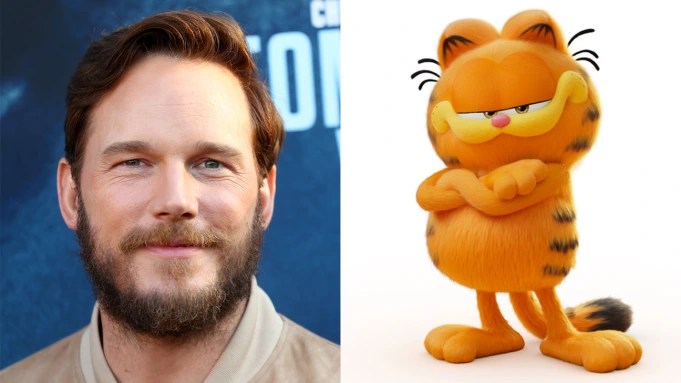
Voicing Garfield this time around is Chris Pratt. Chris Pratt has become well known for his voice acting in recent years being prominently featured in the Lego Movie franchise, Pixar’s Onward, and the yet to be released Super Mario Bros. animated film from Nintendo and Universal.

This article interests me for four main reasons. For one, I’m very interested in the Animation studio DNGE. This because this will only be their second major project. As of now DNGE is most notable for having risen into the spotlight after the closure of the prolific American animation house Blue Sky Studios. Secondly, I’m interested to see how the film in question will go about expanding the Garfield brand. Garfield has had something of a renaissance in recently spawning an online horror based fan community and even being set to appear in the recently released fighting game Nickelodeon Allstars. Thirdly , this article interests me because I’m interested in the cultural ramifications of having Chris Pratt play 2 of the most well known characters of all time in Mario and Garfield. Lastly, It’s just mentioned in passing, but i’m very curious what aspect of this presumably family friendly film has made the creators decide not to release it in China.

Galuppo, Mia. “Chris Pratt to Voice Garfield in New Animated Feature (Exclusive).” The Hollywood Reporter, The Hollywood Reporter, 2 Nov. 2021, https://www.hollywoodreporter.com/movies/movie-news/chris-pratt-garfield-animated-feature-1235039314/.

The Facebook Papers

Photo Via T.J. Kirkpatrick from The New York Times


Former Facebook product manager, Frances Haugen, has come forward with a cache of internal messages, research, and documents that present internal concerns about the social media platform’s failure to regulate dangerous content and its adverse effects on children. Widely known as the Facebook Papers, include tens of thousands of pages and files collected by Haugen as well as redacted versions of news and articles from the Associated Press, The Atlantic, CNN, the Financial Times, Fox Business, Le Monde, The New York Times, NPR, Reuters and Süddeutsche Zeitung. Multiple US and European news outlets have followed suit and have published stories, research, documents, and presentations on Facebook and their failure to regulate the platform.

Haugen supplied the documents to the Securities and Exchange Commission before testifying at Congress and the UK Parliament on how the Facebook knowingly failed to filter misinformation, hate speech, and dangerous content across the platform. Haugen claims that the collection of data and internal documents prove that Facebook’s leadership continuously withheld information to maintain public image and profitability. Facebook declined to make an official statement but claimed that the internal documents are misleading and paint a “false picture” of the social media platform.

Among many experts, Haugen urged senators to implement regulations and antitrust initiatives to reduce the power the social media platform that is used by nearly half the world’s population. Several experts have suggest the formation of an independent regulatory agency and legal penalties for major media companies. This agency would include industry leaders and federal representative that would enact behavioral and privacy policies and well as regulations on the use of collected user data and information. For Facebook, this would require more transparency on internal affairs and policies and changes to its algorithms.

Meta: The New Name of Facebook and Why

Source: CNBC

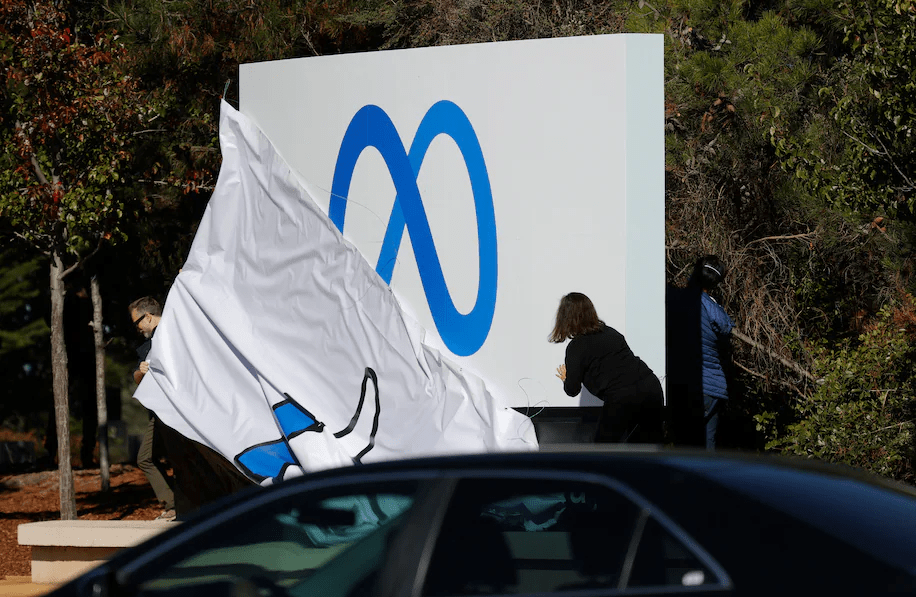
Facebook announced that the company changed its name to Meta on Thursday at the Facebook Connect virtual reality conference, according to CNBC. The sudden rebrand came about in the midst of legal turmoil that the company has been combatting.

The name “Meta” refers to the “metaverse,” a virtual world where users can interact with each other no matter where they are located in the real world.

“The next platform will be even more immersive — an embodied internet where you’re in the experience, not just looking at it. We call this the metaverse, and it will touch every product we build,” wrote CEO and Founder of Meta, Mark Zuckerberg, in a founder’s letter.

The social media app that the company is known for will remain as Facebook, but the company no longer wants the app to be the face of the company.

It is highly spectated that the name change was created as a distraction from ex-employee whistleblower Frances Haugen, who, according to the Washington Post, “sent tens of thousands of internal company documents to Congress and the U.S. Securities and Exchange Commission.” This garnered a negative reputation for Facebook, along with a multitude of legal issues that arose after the documents were exposed.

It was revealed that the company has been well aware of issues its platforms have been causing but decided to ignore it.

Despite all of this, the company claims this name change comes from a shift in focus of energy. Meta aims to move towards being known as a metaverse company, rather than a social media company. The company has been forming a team whose goal is to create the metaverse.

Zuckerberg gave a demonstration of what the company wants the metaverse to look like at the Facebook Connect conference. CNBC described this as a “Pixar-like animation of software the company hopes to build some day.” The demo showed how users will be able to interact with each other using cartoon-like avatars within virtual spaces.

Though the plan for the metaverse has been revealed now, with $10 billion being designated for its development in the next year, it will be over 5 years before the metaverse technology is ready for the public, Zuckerberg said.

Of course, users of Facebook (now Meta) and its other platforms have many opinions about this sudden change. Some are excited about the approaching metaverse technology, while others fear what may become of society with technology like this.

Companies have already begun preparation for this new technology. For example, Nike has created several trademarks to sell products within the metaverse.

Facebook has opened up a new chapter in social technology. Now, it is just a waiting game until the technology is ready for the public.

Does Music Artists Personal Life Connect to Our Consumption of Their Music?

Recent comments by singer Katy Perry, about singer Adele and her new project 30 (debut November 19th) sparked a popular topic in the music industry. Perry’s comments stated “Adele drops new music when everyone is vulnerable and sensitive” typically during the Autumn seasons. She says it in a joking tone, indicating that she is excited to hear this new music. But acknowledges a tactic that labels and music artists use to generate the most traffic to their projects. Adele being a highly anticipated artist, understands her influence on the music industry and her fans. She releases heartfelt ballads that are praised but often associated with love and sorrow. Katy Perry being more of an upbeat pop artist, she joked that other artists release music when they know the world is about to be “sad”.

Other artists like Drake have been associated with promoting his music by thriving on his fan’s highs and lows. Since debuting his first studio project Comeback Season  Drake was associated with jokes like “don’t drake and drive” or “Drake is so sensitive and lonely, always longing for a woman”. His Toronto sound became a staple in the music industry because of his reminiscent lyrics and personal life. This age of celebrities shares so much of their lives with their fans. Drake’s been romantically associated with women such as Serena WilliamsRihannaJorja Smith, Jennifer Lopez, etc. Drake acknowledges his failed romances, childhood traumas, and feuds in his music. His fan’s connection and opinion towards his romantic relationships, somehow correspond with his album/streaming success. A pattern shown in Drake’s release dates shows that he thrives on his fan’s highs and lows: releasing music strategically in the colder seasons and summertime.

Perry emphasized in her comment that Adele’s songs alone don’t keep the fans anticipated. It’s the fact that Adele releases her music during the colder seasons, when there is a rise in seasonal depression. Another artist associated with his industry strategy is the singer Kehlani. In a recent interview with Power 105.1 The Breakfast Club radio show, she expressed her appreciation for fans that support her music. She then described a common theme in reaction to her music, saying “my fans love when I’m heart-broken”. Implying that she releases more “fire” music when she’s dealing with emotional trauma. Now that her fans hear more “self love and happy songs”, they still admire it, but it gives them a different feel.

To name one more artist whose name is associated with heartbreak, strategic release dates, and close connection to fans is Summer Walker. Without getting too deep into her personal life, Summer Walker is an R&B singer who debuted her first EP in 2019 and first album the same year. Walker has been associated with her now ex-boyfriend, producer London on da Track. This up and down relationship led to him producing her first studio album, along with causing a great amount of heartbreak for the two of them. Because Walker uses social networking sites to connect with her fans, they got a front-row seat to the madness. Since their break-up, Walker announced her new album to be released November 5th, not produced by London. Her fans are excited for her music because they thrive on her heartbreak songs that just so happen to be released when “everyone is most vulnerable” like Perry says. Is it true heartbreak and seasonal depression bring album sales? 

76ers Suspend Ben Simmons After Being Being Thrown Out of Practice

Ben Simmons (Benjamin David Simmons) is an Australian professional basketball player for the NBA, who was drafted in 2017 by the 76ers. He is 6’10 with long arms and legs that were promising to the league. He was the first drafted pick in the NBA that year, making him one of the most sought after players in the organization. Shortly after his arrival to the league, 76er fans and NBA enthusiasts were not impressed by his performance. Besides a few spottings with his recent girlfriend, Kendall Jenner (2018), Ben Simmons was pretty quiet towards the press. He signed a 5-year $177,243,360 contract with the 76ers included with an annual average of $33 million dollars.

Philadelphia can be a tough crowd as it pertains to music, sports, entertainment, etc. But one thing they don’t play about, is their sports. Simmons has been criticized for “not showing up” or “getting cold feet” after starting his career in the NBA. He was passing the ball more than he was taking shots. He shoots 60% from the free-throw line, since the postseason. Since his addition to the 76ers his point average remained relatively 15-17 points per game, with around 8 rebounds, and 8 assists. Which doesn’t mean he’s a horrible player. But definitely confuses 76ers fans and teammates who believed him to show why he was the #1 pick in the NBA draft (2017)).

After the last few years of pre-season practices, games, and post season politics, Simmons has publicly stated he no longer wants to play for the 76ers. On Monday, October 18th Simmons was thrown out of practice and later suspended. According to 76ers representatives and teammates Simmons “doesn’t want to play– or even practice– with the Philadelphia 76ers anymore”. Coach Doc Rivers was signed and hired as the 76ers head coach in 2020, hoping to salvage their legacy.

After season games, players spoke with the tabloids expressing their frustration with Ben Simmons performance. 76ers player Joel Embiid reportedly says “he has not spoken to Ben Simmons since he returned to the team”. Saying “it is not my job to babysit anyone on the team”. There were also videos capturing the team’s dynamic during practice. The video shows Simmons on the outside of the huddle, and later leaving to go back to the locker rooms, while his teammates disperse onto the court smiling and laughing. This type of behavior isn’t ideal for a great team dynamic on and off the court. Simmons expressed “If Philly doesn’t want me, I’ll play somewhere else”. And has actively been negotiating different trade deals, outside of his 76ers 5-year contract. (2021) Simmons will not play in the season opener game for the 76ers, and officials are waiting to see what direct impact this will have on the NBA.

Facebook Distanced from Social Media Giants in Hearing

In a congressional hearing with the senate commerce committee, tech company representatives were held accountable for the content published in their platform in regard to it interfering with online privacy policies. The only company that was not present in the hearing was Facebook, as a warning had already been released for the social media giant about the harmful impact that Instagram’s algorithm has on children and teens. The representatives of respective social media platforms like Snapchat and YouTube firmly distinguished themselves from Facebook arguing that their approaches of respecting privacy policies and protecting underaged children utilized a different strategy. Particularly, this argument was set forth by Snapchat on the grounds of their chats deleting automatically by default to increase safety among users. Likewise, representatives of Youtube defended their strategies with recent implementations of age group categories, filters and ongoing human review. Despite their efforts, the chair if the sub-committee on Consumer Protection, Product Safety and Data Security emphasized that while these companies have separated themselves from Facebook and Instagram, that is not adequate reasoning to glorify inappropriate content in a different way. He continued is argument by adding that this might be a good time to do additional research and get better consensus about how to move forward.

I believe this article is pertinent to media news because of the ongoing privacy issues we have encountered as consumers have lead to nation-wide debates about reform. Regulation is necessary and major social media companies being held accountable for inappropriate content has had a long time coming. With the media landscape rising by the minute, it is imperative to take preventative measures and avoid negative exposure of underaged individuals. https://www.nbcnews.com/tech/social-media-giants-try-distance-facebook-rcna3831

Facebook’s New Smart Sunglasses

https://nypost.com/2021/09/09/facebook-unveils-ray-ban-smart-glasses-that-take-videos-play-music/

September 9th Facebook entered a new market releasing its first physical product, Smart sunglasses. The company collaborated with Ray Bands, a widely known and adored eyeglass brand. Taking videos and pictures at eye level, listening to music and answering phone calls hands free are just some of the attractive features of the new wearable smart eyewear. The technology features technology from Oculus, an augmented reality company Facebook bought, back in March 2014. The price point is relatively low given the expansive technology starting at $299. Facebook is not the first company to bring smart sunglasses to popular consumption. Google was the first to launch Google Glass back in 2013, with Snapchat following Snap’s Spectacles in 2016. Both brands lacked pairing technology with wearability.Almost a decade later Facebook is expanding its brand to fit the digital timeline heading to become a metaverse company that specializes in the human experience in terms of the social and augmented realities. Mark Zuckerburg, the founder of Facebook, elaborated on the brand shift in focus as, “Creation, avatars, and digital objects are going to be central to how we express ourselves, and this is going to lead to entirely new experiences and economic opportunities.”

Zuckerberg’s next endeavors seek to bring augmented reality to the experience of the glasses allowing you to play games and video chat with someone digital copy. Critics have raised concerns talking about its intrusive video ability which lacks a signal of consent from social cues. A smaller critique of the smart sunglasses was the experience of listening to music felt quite awkward and almost distant from the New York Time article Smart Glasses Made Google Look Dumb. Now Facebook Is Giving Them a Try by Mike Isaac. It will be interesting to see how the smart sunglasses do with the holiday season quickly approaching.