
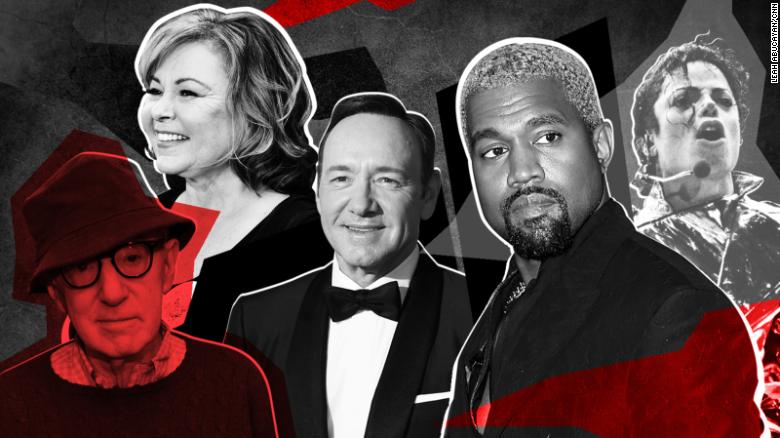
Cancel Culture–Harmful or Effective in Holding Our Fellow Celebrities Accountable?

Cancellll

For those who aren’t as familiar with what cancel culture is, canceling and cancel culture have to do with the removal of support for public figures in response to their objectionable behavior or opinions (which can include boycotts or refusal to promote their work.)

In late 2018, comedian Kevin Hart publicly stated he would be hosting the 2019 Oscars; an announcement that triggered intense public scrutiny regarding homophobic jokes and tweets he had previously put forth. While the backlash against Hart came from many different directions, a majority derived from the social media platform, Twitter. Although ‘cancel culture’ is not a new phenomenon, it is evident that it was brought to the forefront of American pop culture after Hart’s “canceling,” and has continued since.

With this idea of “canceling” in mind, the question many have is whether or not canceling is harmful or effective in holding these celebrities and public figures accountable.

Last night during the Oscars, Joaquin Phoenix gave a discursive speech in which he both criticized “cancel” culture and advocated for social justice while accepting the Oscar for best actor for his performance in “The Joker.” In his speech he said,

“I have been a scoundrel all my life, I’ve been selfish. I’ve been cruel at times, hard to work with, and I’m grateful that so many of you in this room have given me a second chance,” Phoenix said. “I think that’s when we’re at our best: when we support each other. Not when we cancel each other out for our past mistakes, but when we help each other to grow. When we educate each other; when we guide each other to redemption.”

Like Joaquin, many believe that cancel culture is merely harmful to society and those individuals being “canceled,” but, according to the article on Daily Toreador, many also feel that it’s unfair that celebrities can seemingly “get away” with hurting other people or making damaging and harmful statements, even after being canceled for a little while. At the same time, however, it is both concerning and detrimental that as a society, we perpetuate a culture of simply canceling someone instead of encouraging them to be better and holding them accountable in a constructive way (similar to what Joaquin said.)

I think we can all agree that public outrage against celebrities is expected and sometimes even justified in some cases, but is it possible that sometimes cancel culture can go too far? What do you think?


Sources:

http://www.dailytoreador.com/opinion/opinion-what-another-hostless-oscars-says-about-cancel-culture/article_b66c13f6-4ba0-11ea-ae0d-9fe86d0364ea.html

Joaquin Phoenix Criticizes Cancel Culture in Oscars Acceptance Speech

YouTube and Channel Operators Sued Over Children’s Privacy: The Fight Against Targeted Ads

_105846085_ytkids

Image Source: Getty Images, BBC News

It is no secret in the modern digital age that tracking our data while online is happening. Many describe this process so sophisticated and in depth that data collectors essentially can create a digital identity of all online consumers from the information they are capable of collecting. The advertising industry is no stranger to these kind of tracking methods often paying large amounts of money to receive information from data mining companies in order to better target consumers on the web.

Recently, YouTube and a multitude of some of its biggest channel operators including Hasbro, Mattel, and Cartoon Network are being hit with a new lawsuit claiming these organizations have illegally tracked young children to serve them with targeted ads on the platform.

California resident Nichole Hubbard filed a class action complaint last week claiming her child who was a frequent consumer of Hasbro’s “My Little Pony Office” on YouTube has fallen victim to this tracking.

Google and the channel operators collected my son’s personal information for the purposes of tracking, profiling, and targeting him with advertisements” (Hubbard, U.S. District Court San Jose).

This is far from the first lawsuit filed by concerned parents claiming that giant media companies and data collectors have actively and “fraudulently” tried to hide their acts of tracking children of a certain age and using their data to target them with advertisements on popular platforms online. Researchers have expressed their findings that companies like Google use their algorithms to collect “ill-gotten” data from billions of children’s YouTube video views.

These allegations if proven true are a direct violation of The Children’s Online Privacy Protection Act which “prohibits companies from knowingly collecting personal information — including web-browsing data that is used to target ads — from children under 13, without their parents’ permission” (FTC). Google has been a long time promoter of YouTube to children’s companies such as Mattel and Hasbro as a top platform to reach the eyes of young children.

While the investigation is ongoing, two months ago Google was involved in a similar lawsuit when they agreed to pay 170 million to settle allegations against the FTC and New York Attorney General when YouTube was found guilty for collecting data from children under the age of 13 on the platform.

Personally, I believe these lawsuits and arising issues are far from over in the new digital age that is arising, especially towards specific platforms that some field executives deem to be the most powerful influences in the world. Big data and the concerns behind it are only growing as countless companies are finding more precise and intrusive ways to not only target specific users, but sell it for high profit to third party vendors looking to use strategic advertising.

We are at a point in digital media and data information where a breaking point is on the rise. We essentially have two specific identities in the modern era that will follow us forever which is our physical entity, and our identity online. Media companies and data collectors are recognizing the ways they can now reach and impact our lives through the online network, therefore extremely strict and proper regulations/penalties must be set in motion by our governments to essentially save humans basic rights especially when it comes to children.


Sources:

https://www.mediapost.com/publications/article/342564/youtube-hasbro-mattel-and-others-sued-over-child.html

https://www.bbc.com/news/technology-49578971


Sony’s State of Play excites Gamers

Yesterday was a big day for video gamers as Sony held their State of Play press conference. State of Play is a video program that showcases all the latest updates, announcements and new trailers from PlayStation. State of Play allows fans and video game critics to watch the stream live on the official PlayStation Twitch, YouTube or Facebook channels. Many people were excited about yesterdays conference because Sony has been teasing an announcement regarding one of their biggest games, The Last of Us II. They teased this announcement by simply putting up promos for the State of Play conference with items that resembled weapons from the first, Last of Us, game. Fans were ecstatic to see a more in-depth trailer showcasing scenes from the story and were even more excited to see that the game is set to release in February of next year. Even though this seems a little far away, Sony has built up a lot of hype with their compelling and action-packed trailers. Other announcements during the conference was a PS4 Pro bundle deal including another big game title for the Playstation platform, Death Stranding. Death Stranding is starring actors Norman Reedus, Mads Mikkelsen with writing and directing from Guillermo Del Toro and Hideo Kojima, a video game legend. Other announcements included a new trailer for Call of Duty: Modern Warfare, and trailers for new games like Humanity and Wattam. Last but not least, Sony is remaking Medievil and Civilization 6 for the PlayStation platform. Hopefully this ‘end of the year’ press-push will get fans excited to participate in the video game world that Sony is creating for the near future.

https://www.theverge.com/2019/9/24/20882361/sony-state-of-play-ps4-announcements-trailers-the-last-of-us-release-date

Nike’s Political Commercial wins Emmy

Nike’s “Dream Crazy” commercial wins an Emmy for “Outstanding Commercial” at the Creative Arts Emmy Awards Ceremony.  This is the first time since 2002 that a Nike commercial has won this award. There is much debate regarding Colin Kaepernick’s relationship with Nike. Many people fully support their collaborations because Kaepernick has become a symbol of justice and equal rights. While others, like President Trump, view him as an overdramatic, sub-par athlete. When this commercial came out the mixed reactions showed in Nike’s stock. According to CNBC, Nike’s stock closed the day after the ad’s release after dropping roughly 3.2%. Despite the drop in the stock market, Nike’s online sales saw a major spike. According to Edison Trends, a digital-commerce researcher, Nike product orders rose 27 percent a few days after the ad’s release. Many contribute this spike to the fact that many customers want to support a brand that speaks on political and social issues. Nike does just that and has made this image a key piece of their brand. They recently announced a pro-hijab campaign with dri-fit hijabs to wear while exercising. They have also been known to toss ideas if they are racially triggering. Nike has successfully branded themselves as trend setters and social innovators. Hopefully, Nike will continue this going forward as they continue to receive support from people of many different backgrounds across the world.

Picture Credits

Child YouTuber Blurs the Lines of Advertising for Other Children

Branded content has become one of the most talked about topics on the internet in last couple of years. For many adults, it’s very easy to spot these advertisements imbedded in YouTube videos and social media posts, but people have been wondering if children can distinguish advertisements and real life as well. Truth in Advertisement, a watch dog on internet ads, argues they can’t, and has really pressed hard on monitoring one channel in particular, Ryan ToysReview.

Ryan ToysReview is an unboxing web series on YouTube that’s branded to kids with the slogan “toy reviews for kids by kids.” The host Ryan Kaji, a 7-year-old boy, reviews the toys on his channel where millions of people tune in to watch each week. The channel has gained an enormous following by obtaining 21 million subscribers and over 30 billion views on his videos. While some may see this channel has harmless fun, Truth in Advertising sees it as a potential threat to children who watch it.

Nearly 90 percent of Ryan’s videos contain some sort of advertisement according to Truth in Advertisement. The sponsors have included Walmart, Hasbro, Netflix, Chuck E. Cheese, and even Nickelodeon. While most videos have disclaimers and notes claiming the positive reviews are advertisements, many people are concerned about a child’s ability to distinguish a genuine review and a paid one. Coincidentally, Truth in Advertisement filed the complaint the same day Google agreed to pay a fine of $170,000 when they were caught selling children’s data to advertisers. While the effects of these advertisements to children are unclear, it is interesting to see how these discussions will shape the guidelines for children’s media on the internet in the future.

Article: https://www.nytimes.com/2019/09/04/business/media/ryan-toysreview-youtube-ad-income.html

YouTube Accused of Children’s Privacy Violations

Article from The New York Times: https://www.nytimes.com/2019/08/30/technology/youtube-childrens-privacy-fine.html

Members of the Federal Trade Commission have voted to fine YouTube, a subsidiary of Google, $150-200 million dollars. These large fines are in result of the accusations that YouTube is illegally collecting personal data about children on its site.

This settlement would set a new record for the largest civil penalty ever obtained by the FTC, specifically in a children’s privacy case. The previous record holder was $5.7 million against the owners of TikTok, a video-sharing app. It is important to note that while the FTC has voted for the settlement to be approved, the Justice Department will review the request and ultimately make the final decision on the case.

This issue concerning the protection of children’s personal information comes at a time when legislators and lawmakers in the United States and the European Union are starting to aggressively challenge the power that these tech giants like Google and Facebook have and exercise over the societies in which they have large presence. Companies life Facebook often receive fines for abusing user data, but since they are so large and successful, a couple million dollars doesn’t exactly slow their efforts. Congress recently introduced a series of privacy and transparency bills in attempts to create more protection for Americans’ social media data and other important personal information.

One reason this fine is so large compared to others in the past is because the case has renewed complaints from consumer advocates that YouTube has failed to acknowledge. These complaints should require that the agency make substantive changes to its data-mining practices.

While this is a major consequence for any company, there has been response to this case stating that this fine for YouTube is more or less a slap on the hand. Legislators need to take a tougher stand to protect children’s privacy, especially since in today’s society children grow up with access to these and many other Social Media platforms.

Today, the issue within large tech companies and user privacy always finds its roots in data-mining and manipulation of personal information. I am especially interested in data, analytics, and marketing which is why I chose to read and summarize this particular article. I believe this debate is one that is far from over. Large companies and legislators like the FTC will always butt heads over privacy policies, and the lack-thereof.